

Key Takeaways You may have a claim for a hit-and-run accident even if police never identify the other driver. Illinois...


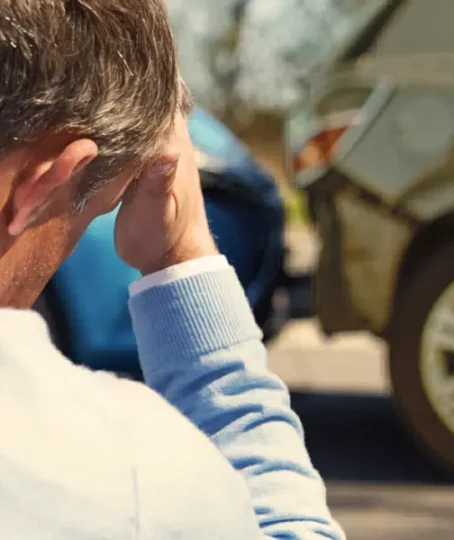
Insurance companies regularly investigate crashes looking for ways to reduce payouts or avoid liability entirely. If an insurer argues that you caused the collision or contributed to it, your claim may become more complicated. Fault disputes can affect medical bill payments, vehicle damage claims, settlement negotiations, and your ability to recover compensation for injuries.
Being blamed for a car accident can feel frustrating and overwhelming, especially when the evidence seems to support your version of events. However, an insurance company’s position is not always final or accurate. Understanding how fault is determined in Illinois and what steps may help protect your claim can make an important difference after a crash.
If you are being blamed for a car accident in Illinois, contact Strong Law Offices at 309-393-2928 to discuss your legal options.
People may assume insurance companies objectively determine fault based solely on the facts of the collision. In reality, insurers are businesses focused on minimizing financial exposure. One way they accomplish this is by disputing liability and attempting to shift responsibility onto the injured driver.
If the insurance company blames you for the accident, it may be trying to:
If injuries involve substantial medical expenses or long-term damages, insurers may become increasingly motivated to reduce liability exposure. Questions regarding available policy limits may become important when damages exceed available coverage.
Even when you believe you were clearly not at fault for the accident, insurers may still attempt to assign partial blame to reduce their financial responsibility.
Illinois follows a modified comparative fault system. Under this rule, compensation may be reduced if you are found partially responsible for the crash. For example, if you are awarded damages but found 20% responsible for the accident, your compensation may be reduced by that percentage.
Insurance companies frequently use comparative fault arguments strategically because even partial blame can lower payouts in serious injury cases.
These disputes often focus on questions such as:
The more severe the injuries and financial damages become, the more aggressively insurers may attempt to shift fault. In some situations, both drivers genuinely contributed to the crash. In others, insurers may exaggerate minor details to create arguments reducing liability exposure.
Because comparative fault directly affects compensation, proving you were not at fault for the accident may become one of the most important parts of the claim.
Strong evidence is often the most effective way to challenge fault allegations after a crash. Insurance companies rely heavily on documentation during accident investigations. The earlier evidence is gathered and preserved, the stronger your position becomes.
Helpful evidence includes:
Witness testimony can become especially important when drivers provide conflicting accounts of how the collision occurred. Photographs of skid marks, debris patterns, roadway conditions, traffic signals, and vehicle positioning may also help reconstruct the accident. Medical records sometimes support liability arguments as well. The nature and location of injuries may align with the mechanics of the collision and help clarify how the crash occurred.
Insurance companies often begin investigating immediately after a collision. Statements from drivers, witnesses, and responding officers may all influence how fault is evaluated later.
Statements made after an accident may affect fault determinations later in the claims process.
Insurance adjusters frequently contact drivers shortly after collisions while emotions are high and facts remain unclear. Casual comments or incomplete explanations may later be interpreted as admissions of fault. For example, apologizing after an accident may seem polite or instinctive, but insurers may later attempt to use those statements against you.
Drivers may also unintentionally weaken claims by speculating about:
If you gave a statement to the insurance company, the adjuster may compare that statement against medical records, police reports, and later testimony looking for inconsistencies. Even minor inconsistencies may become part of the insurer’s strategy for disputing liability or credibility. This becomes especially problematic when injuries worsen over time or additional evidence emerges after the initial statement was made.
Sometimes insurers do more than assign partial blame. They may deny liability entirely and refuse to pay compensation at all. If the insurance company fully denies your claim, it does not necessarily mean your case is over.
Insurance companies may deny claims because they:
Additional evidence, witness testimony, accident reconstruction analysis, or legal action may still help challenge the denial. In many cases, insurers initially reject claims during negotiations before later reconsidering their position once stronger evidence is presented. Lawsuits sometimes become necessary when liability disputes cannot be resolved through ordinary negotiations.
Many people benefit from legal guidance when insurers dispute fault after a collision. Being blamed for a car accident can quickly create financial and legal complications, especially when injuries are serious or multiple parties are involved.
Insurance companies often have teams of adjusters, investigators, and defense attorneys working to minimize payouts. Without representation, injured drivers may struggle to gather evidence, challenge fault allegations, or negotiate effectively.
You may need to speak with a car accident lawyer if:
Attorneys may help preserve evidence, communicate with insurers, analyze liability issues, and build arguments supporting your version of events.
When fault becomes heavily disputed, legal representation may also improve your ability to negotiate a fair settlement or pursue compensation through litigation if necessary.
Being blamed for a car accident in Illinois does not automatically mean you caused the collision or lose your right to compensation. Insurance companies often dispute liability as part of the claims process, especially when injuries and financial exposure are significant. If the insurance company blames you for the accident or disputes fault after a crash, contact Strong Law Offices at 309-393-2928 to discuss your legal rights and next steps.

Key Takeaways You may have a claim for a hit-and-run accident even if police never identify the other driver. Illinois...

Key Takeaways A police finding that a driver was “not at fault” does not automatically prevent a pedestrian injury claim....

Key Takeaways The other driver's insurance company can deny your claim even when you believe its insured clearly caused the...