

Key Takeaways HB 5228 became effective on August 7, 2026. A physician-recommended treatment cannot receive an adverse utilization review determination...


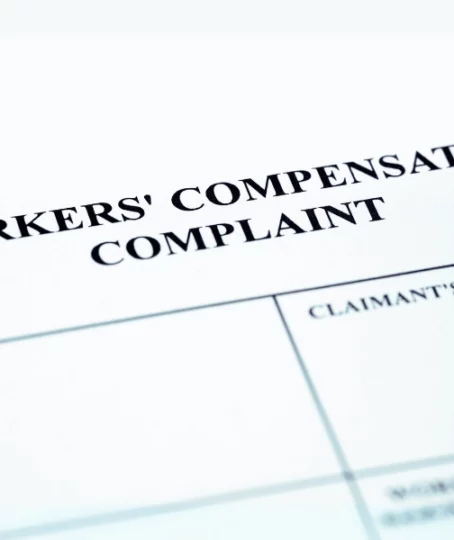
If your employer refuses to file your workers’ compensation claim in Illinois, you can file it yourself directly with the Illinois Workers’ Compensation Commission (IWCC). You don’t need your employer’s permission or cooperation to start your claim. Rather, document everything related to your injury, follow the instructions of your healthcare provider, and contact our workers’ compensation lawyers at Strong Law Offices for help protecting your rights and navigating the legal process.
If your employer is refusing to file your workers’ compensation claim, contact Strong Law Offices for help. Call 309-393-2928 for a free consultation.
Why Do Employers Refuse to File Workers' Comp Claims?
While most employers understand their legal obligation to report workplace injuries and file workers’ compensation claims, some choose to avoid the process. Unfortunately, when an employer refuses to file a claim, it can place the injured worker in a difficult position—delaying access to medical care, wage benefits, and overall recovery.
Common factors in refusals include:
Understanding why some employers may take this route can help injured workers recognize red flags and take appropriate action.
What Should You Do If Your Employer Refuses to File Your Claim?
If you’ve suffered a workplace injury and your employer refuses to file your workers’ compensation claim, you have multiple paths forward.
Illinois gives injured workers the right to file claims directly with the IWCC. You don’t need your employer’s forms, permission, or participation. Submit the required documentation to the commission and keep detailed records of your injury, medical treatment, witness statements, and employer communications.
Contact the IWCC to report your employer’s refusal to cooperate. The commission investigates employer non-compliance and can intervene on your behalf. Reporting also protects you from missing critical filing deadlines.
A workers’ comp attorney in Peoria levels the playing field. Your lawyer can file your claim, gather evidence, communicate with insurance companies, and represent you in hearings. Attorneys also identify additional violations, like illegal retaliation, that may entitle you to separate compensation.
Illinois employers must carry workers’ compensation insurance with limited exceptions. Willful violations result in fines, penalties, or criminal charges. Report employers who lack proper coverage or violate labor laws to the Illinois Department of Labor.
While workers’ compensation typically prevents lawsuits against employers, exceptions exist for gross negligence or intentional interference with benefits. An attorney can evaluate whether your situation qualifies for civil action beyond standard workers’ comp remedies.
Taking immediate action strengthens your position when dealing with an uncooperative employer who refuses to file your workers’ compensation claim.
Create detailed records of your injury date, time, how it occurred, witnesses present, medical treatment received, and every conversation with your employer about your injury or claim.
Follow your healthcare provider’s treatment plan completely, attend all appointments, and keep records of every medical visit. These records may serve as key supporting evidence for your claim when you file it yourself, and following through with treatment demonstrates the seriousness of your injury.
Illinois sets strict deadlines for filing workers’ comp claims. Missing the statute of limitations can destroy your case. File your claim promptly through the IWCC if your employer won’t act. Don’t assume your employer will eventually file. Take action yourself to meet all deadlines.
Worker’s compensation attorneys handle employer resistance, insurance company tactics, and procedural requirements. Early legal involvement prevents mistakes that could weaken your claim and identifies all available remedies. An attorney experienced with employer refusal cases knows exactly how to file your claim independently and hold your employer accountable.
If your employer creates an uncomfortable work environment after your injury, particularly after you file a claim they refused to file, consult with an attorney before taking action. Resignation can affect your benefits and limit your ability to pursue retaliation claims. A lawyer helps you understand the consequences and protect your interests.
Strong Law Offices represents injured workers throughout Peoria and central Illinois. Call 309-393-2928 for a free consultation.
Can my employer force me to use my health insurance instead of workers' comp?
No. Illinois law requires work-related injuries to be covered by workers' compensation, not private health insurance. If your employer directs you to use your health insurance, file a workers' comp claim anyway and consult an attorney about your employer's misconduct.
How long do I have to file a workers' comp claim in Illinois?
You must provide written notice of your injury to your employer as soon as practical, and you generally have three years from the date of injury (or two years from the last payment of compensation) to file an Application for Adjustment of Claim with the IWCC. Don't wait. Filing promptly protects your rights.
What if I can't afford a workers' compensation attorney?
Most workers' comp attorneys in Illinois work on contingency, meaning they only get paid if you recover benefits. You typically pay nothing upfront, and attorney fees come from your settlement or award. This arrangement makes legal representation accessible regardless of your financial situation.

Key Takeaways HB 5228 became effective on August 7, 2026. A physician-recommended treatment cannot receive an adverse utilization review determination...

Key Takeaways The exclusive remedy rule generally prevents employees from suing employers for workplace injuries. Illinois recognizes several important exceptions...

Key Takeaways An IME in workers' comp is requested by the insurance company, not your treating doctor The results can...