

Key Takeaways Diagnostic failures, such as omitting a routine blood glucose test, can lead to catastrophic, permanent medical complications. Hospitals...


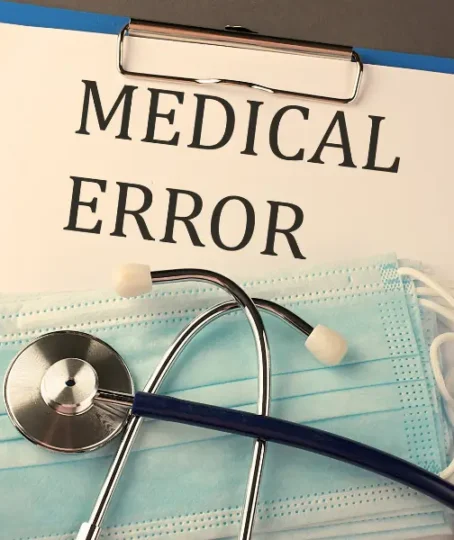
You can sue a hospital for missing a blood sugar test if the failure to perform the test falls below the accepted medical standard of care and causes serious harm. A recent Cook County jury verdict highlights the profound consequences of diagnostic errors, awarding more than $51 million to an Illinois man who suffered a permanent brain injury after an emergency room omitted a routine glucose screening.
According to reports, the man visited OSF Heart of Mary Medical Center while suffering from an unprecedented, intense headache. Despite his clear clinical risk factors for diabetes, the medical staff did not perform a simple blood sugar test. Instead, physicians diagnosed him with a routine tension headache, prescribed medication, and discharged him from the facility. The man was found unresponsive days later. He had suffered a cardiac arrest precipitated by a profound diabetic crisis. Because of the prolonged lack of oxygen to his brain during the cardiac arrest, the man sustained a permanent neurological injury.
If you or a loved one suffered harm due to an emergency room oversight, consulting an experienced medical malpractice lawyer can help you understand your legal options. Reach out to our legal team at Strong Law Offices. Call 309-393-2928 today to schedule a confidential, no-obligation evaluation of your case.
Medical professionals must follow standard diagnostic protocols when a patient presents with symptoms that indicate an acute metabolic or neurological crisis. When you enter an emergency room in Illinois, physicians must evaluate your entire medical profile, including visible risk factors.
Omitting a basic glucose screening when a patient exhibits clear signs or pre-existing markers of diabetes deviates from the accepted standard of medical care. A blood sugar test is an inexpensive, fast, and routine tool that identifies whether a patient faces high glucose levels or acute diabetic ketoacidosis.
Untreated high blood sugar can quickly escalate into a life-threatening medical emergency. When the human body cannot process glucose properly, a dangerous buildup of acids occurs in the bloodstream. If an emergency room physician misdiagnoses a diabetic crisis as a simple tension headache, the underlying condition continues to worsen without intervention. Delayed treatment can cause the body to experience severe metabolic shock, leading directly to cardiac arrest or a comatose state.
When cardiac arrest occurs, the flow of oxygen to vital organs stops immediately. Even a few minutes without oxygen causes irreversible brain cell death. Patients who survive these incidents frequently face permanent cognitive and physical impairments, leaving them unable to live independently. They may lose the ability to speak, walk, or perform everyday tasks. The financial, emotional, and physical burdens of managing a permanent brain injury place immense strain on families. Securing financial compensation through a legal claim becomes essential to cover the costs of home modifications, around-the-clock nursing care, and ongoing therapy.
Holding an Illinois healthcare facility liable for diagnostic errors requires a detailed investigation into hospital procedures and physician actions. Under Illinois law, hospitals can be held vicariously liable for the negligence of their employees, including staff nurses, lab technicians, and employed physicians. If an independent contractor doctor commits the error, the hospital may still face liability under the doctrine of apparent agency if the facility led the patient to believe the doctor was an employee.
Victims of medical diagnostic errors face an altered future that requires substantial economic support. In Illinois, a successful medical malpractice lawsuit allows injured patients to recover both economic and non-economic damages. Economic damages address the quantifiable financial losses resulting from the medical error. These losses include past and future medical bills, the cost of advanced medical devices, rehabilitation expenses, and lost wages due to an inability to return to work.
Non-economic damages compensate for the intangible losses that a patient experiences. These damages include physical pain, mental suffering, loss of enjoyment of life, and permanent disfigurement or disability. Because Illinois does not place a cap on the amount of damages a jury can award in medical malpractice cases, verdicts can fully reflect the true lifetime cost of a catastrophic injury, as demonstrated by the recent $51 million Cook County judgment. Pursuing a legal claim holds negligent providers accountable and secures the financial stability needed to maintain your quality of life.
What qualifies as medical malpractice in an emergency room?
Emergency room medical malpractice occurs when medical professionals fail to provide the accepted standard of care, directly causing injury to a patient. Examples include failing to order necessary diagnostic tests, misinterpreting lab results, misdiagnosing an acute condition, or discharging a patient prematurely.
How long do I have to file a medical malpractice lawsuit in Illinois?
In Illinois, the statute of limitations for a medical malpractice lawsuit is generally two years from the date you knew or reasonably should have known of the injury. However, a lawsuit cannot be filed more than four years after the date the alleged negligence occurred. Exceptions apply for minors and individuals with mental disabilities.
Can a hospital be held responsible for a doctor's mistake?
A hospital can be held responsible for a physician's mistake if the doctor is an employee of the hospital. If the physician is an independent contractor, the hospital may still face liability if the facility failed to clearly inform you of the doctor's independent contractor status during your admission.

Key Takeaways Diagnostic failures, such as omitting a routine blood glucose test, can lead to catastrophic, permanent medical complications. Hospitals...

Key Takeaways Illinois regulators have moved to revoke a heart surgeon's license following a patient death in Alaska, raising serious...

The Case: A Preventable Tragedy In October 2020, an 11-year-old girl was recovering from leukemia treatment when she attended a...