



 Personal Injury Lawyer
Years of Experience: More than 20 years
Illinois Registration Status: Active
Bar & Court Admissions: Illinois State, 1994
U.S. District Court, Central District of Illinois, 1994
U.S. District Court, Northern District of Illinois, 2022
U.S. District Court, Southern District of Illinois, 2023
Peoria Nursing Home Abuse Attorneys
If you suspect that your loved one has suffered injuries that were caused by nursing home abuse or neglect, take action right away. Our law firm will help you put a stop to the mistreatment and hold the staff or nursing home accountable for the harm they’ve caused.
Our nursing home abuse lawyers at Strong Law Offices have more than 25 years of experience helping victims recover compensation when nursing home abuse or negligence causes serious injuries or results in a loved one’s untimely death.
- We Offer FREE Consultations
- There Are No Upfront Fees
- Your Recovery Is Our Priority
If your loved one has been abused or neglected in an Illinois nursing home facility, contact the Peoria injury lawyers at Strong Law Offices for a free, no-obligation consultation.
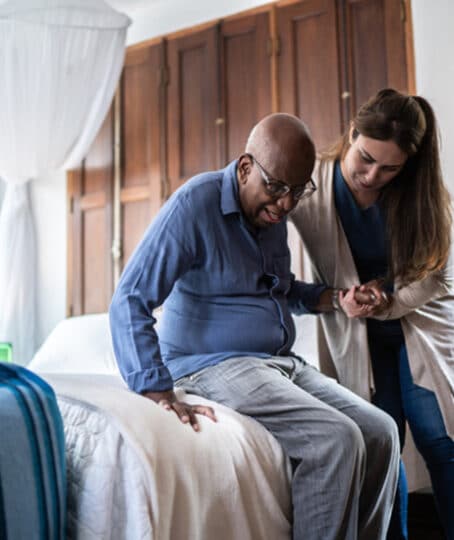
Is Your Loved One a Victim of Nursing Home Abuse in Illinois?
Unpredictable circumstances of physical or mental incapacitation, advancing age, or the inability to care for one’s self often means placement into a long-term nursing home care facility may be the only solution. Placement into a nursing home is often a traumatic experience for the resident and his or her family members. For the resident to suffer physical or emotional injuries attributable to abuse and/or neglect is unimaginable.
If your loved one is a victim of nursing home abuse in Peoria, Illinois, they are not alone.
Approximately 5 million people over the age of 60 suffer some form of abuse or neglect every year. According to a January 2024 report from Centers for Medicare and Medicaid Services (CMS), 15 of the 28 facilities in our area that were rated scored “below average” or “much below average” when they were assessed. In many cases, inspectors discovered instances of abuse and neglect.
Peoria nursing home facilities cited for abuse and neglect include:
- Aperion Care Peoria Heights
- Sharon Health Care Elms
- Sharon Health Care Pines
- Sharon Health Care Willows
- Snyder Village
- Washington Senior Living
What Is Nursing Home Abuse and Neglect?
Nursing home abuse encompasses intentional harm inflicted upon a resident, including physical, emotional, sexual, or financial abuse. This may involve hitting, slapping, humiliating, or exploiting the resident for personal gain. Neglect, on the other hand, refers to the failure to meet the resident’s basic needs or to provide a safe environment, leading to harm or endangerment.
When a facility fails to provide or willfully withholds appropriate medical care, psychiatric treatment or rehabilitation, nourishment, assistance with daily living activities, or personal care, and the resident suffers mental or physical harm as a result, a nursing home abuse or neglect case may arise.
What Are the Root Causes of Nursing Home Abuse and Neglect?
Nursing home abuse and neglect often stem from systemic issues within facilities, such as understaffing, inadequate training, and a lack of oversight. Profit-driven motives may prioritize cost-cutting over resident care, fostering environments where abuse can occur. Poor staff morale and high turnover rates contribute to inconsistent care and supervision. Addressing these root causes requires reforms in staffing, training, regulatory enforcement, and resident-centered care practices.
Common Types of Nursing Home Abuse and Neglect Cases
Our injury attorneys see a wide range of nursing home neglect and abuse cases, and several types of injuries are common in nursing home injury claims. Some injuries are unimaginable and so severe that they may constitute negligence per se. Negligence per se applies if the mere existence of such an injury could constitute negligence.
Common types of nursing home abuse and neglect cases our law firm sees includes, but are not limited to:
Bedsores
When bedsores appear, it is a major red flag that something isn’t right with your loved one’s nursing home care. Bedsores can develop while a resident is lying in bed, sitting in a wheelchair, or is otherwise immobile. Bedsores are very painful and can take many months to heal. Some bedsores never heal. Without proper treatment, severe infections and other complications can develop. In the most serious cases, complications from inadequately treated bedsores can be fatal.
Falls
Falling can cause disability, functional decline, reduced quality of life, or other changes to activities of daily living. Nursing home staff have a responsibility to minimize the risk of falls by nursing home residents. While not every fall in a nursing home is preventable, many occur when residents are neglected.
Our experienced nursing home negligence lawyers will investigate the facts and circumstances of your loved one’s fall to determine whether negligence contributed to their injuries.
Examples of negligent conduct regarding falls in a nursing home are:
- Failure to develop an adequate fall prevention plan
- Improper care techniques
- Failure to assess, re-assess or modify the resident’s care plan
- Understaffing
- Hiring unqualified employees
- Providing insufficient training
- Failure to address hazardous conditions
- Failure to provide nursing home care in accordance with a fall prevention plan
Other Types of Nursing Home Negligence Cases
Other types of nursing home negligence cases can arise because of nursing home errors or omissions in rendering nursing home care. These negligent behaviors can result in:
A nursing home negligence claim is an avenue for victims of nursing home care negligence and/or their loved ones to be compensated for the damages they have suffered as a result of the negligence or abuse.
What Are the Signs of Nursing Home Abuse and Neglect?
Look for physical indicators such as unexplained bruises, cuts, or bedsores, as well as sudden changes in weight or hygiene. Emotional signs like withdrawal, depression, or fear around certain staff members may also indicate mistreatment. Pay attention to the environment: inadequate staffing levels, unsanitary conditions, or medication errors can signal neglect. Financial exploitation is another concern, evidenced by unauthorized withdrawals or sudden changes in financial documents. Observe for signs of restraint, both physical and chemical, as they can be forms of abuse.
Family members and caregivers should maintain open communication with residents and staff, and report any suspicions or concerns to the appropriate authorities for investigation. Early detection and intervention are essential in addressing nursing home abuse and ensuring the safety and dignity of your family member.
Filing a Nursing Home Neglect or Abuse Lawsuit in Illinois
Nursing home negligence and wrongful death cases are notoriously difficult to litigate. Many regulatory statutes need critical analysis to determine whether the nursing home and/or its employees violated any statutory duties or conversely omitted to perform any necessary duties for its residents.
Our nursing home negligence attorneys can determine whether the proof that is necessary to establish a deviation from the standard of care based upon a victim’s physical and/or emotional injuries or death exists.
To determine whether there is a meritorious claim, our law firm will:
- Conduct an investigation
- Obtain nursing home care records
- Interview witnesses
- Recruit nursing home medical experts
- Draft a specific complaint
- Conduct discovery
Expert testimony will normally be required to establish the standard of care applicable to the nursing home governing its care to the resident.
Who Can Recover Compensation in a Nursing Home Neglect or Abuse Case?
Nursing home neglect or abuse victims can file claims to recover compensation for their injuries and losses. Unfortunately, many victims are unable to take legal action on their own behalf because of cognitive decline, serious mental or physical health conditions, or death.
When an abuse victim is still living but cannot pursue his or her own legal claim, the resident’s personal representative can pursue recovery on behalf of the victim.
If the abuse or neglect caused the nursing home resident to pass away, close family members, like a surviving spouse or children, may be able to recover compensation by filing a wrongful death claim.
Types of Damages
Damages can be categorized into several types.
- First, there are economic damages, which cover tangible losses like medical expenses and lost wages.
- Then, there are non-economic damages, addressing intangible harm such as pain and suffering, emotional distress, and loss of enjoyment of life.
- Punitive damages may also apply in cases of extreme negligence or misconduct, aiming to punish the responsible party and deter similar behavior in the future.
Proving Nursing Home Negligence
To be successful in a nursing home negligence case in Illinois, your injury attorney will need to establish the following:
- The existence of a duty of care owed by a nursing home to a resident
- The standard of care governing the nursing home’s care and treatment of a resident was not met, and the duty owed to the resident was breached by the facility or staff member(s)
- A proximate causal relationship between the nursing home’s breach of duty and the resident’s injury or death existed
- The resident suffered some type of loss, like physical or emotional injury or death
What You Should Know about the Illinois Nursing Home Care Act
Nursing homes are regulated by the Nursing Home Care Act. The statute was enacted to provide protection for nursing home residents. It addresses residents’ rights and the responsibilities of nursing home facilities. The Act provides for the licensing of long-term care facilities, violations, and penalties applicable to nursing home facilities. The statute also requires an administrator or employee of a nursing home to report suspected abuse or neglect of a nursing home resident.
To find a violation of the Nursing Home Care Act, the nursing home must have operated or maintained its facility in a manner that directly threatened the health, safety, and welfare of a resident. Under the Nursing Home Care Act, the owner and licensee are liable to nursing home residents for intentional or negligent acts or omissions by their agents or employees that cause injuries. It provides for the recovery of damages, including procedural costs and attorney fees.
Know Your Rights Under Illinois Law
Illinois law guarantees nursing home residents the right to be free from abuse, neglect, and improper restraints. Facilities must provide adequate staffing, proper medical care, and a safe living environment. When these rights are violated, residents and their families may pursue compensation for injuries, pain and suffering, and related losses. Holding facilities accountable can also help prevent future harm to other residents.
Which Facilities Are Subject to Negligence Claims Under the Act?
Only certain types of facilities are subject to negligence claims after committing violations of the Nursing Home Care Act:
What to Do Immediately If You Suspect Nursing Home Abuse
If you believe your loved one is being abused or neglected in a nursing home, taking prompt and organized action can help protect their safety and preserve important evidence.
- Ensure your loved one’s immediate safety.
If there is an urgent risk of harm, seek medical attention right away and remove the resident from danger if possible. - Document signs of abuse or neglect.
Take photographs of injuries or unsafe conditions, and keep written notes of what you observe, including dates, times, and staff names. - Request facility records.
Ask for copies of medical records, care plans, medication logs, and any incident reports related to your loved one’s care. - Report the abuse.
Suspected nursing home abuse or neglect can be reported to the Illinois Department of Public Health for investigation. - Contact an attorney.
A nursing home abuse lawyer can help preserve evidence, communicate with the facility, and protect your loved one’s legal rights.
How Nursing Home Abuse Cases Are Investigated
Investigating nursing home abuse or neglect requires a detailed review of both medical care and facility practices. Our nursing home abuse lawyers examine staffing schedules, employee training records, care plans, and internal incident reports to identify whether residents received appropriate care. We also review medical records to determine whether injuries, infections, or declines in health were preventable.
In many cases, inspection reports from the Centers for Medicare and Medicaid Services (CMS) and prior complaints against the facility can reveal patterns of neglect. Medical and nursing experts are often consulted to evaluate whether the standard of care was violated. This thorough approach helps establish accountability and strengthens a resident’s claim for compensation.
Nursing Home Abuse FAQs
How Do I Report Nursing Home Abuse in Illinois?
Nursing home abuse or neglect in Illinois can be reported to the Illinois Department of Public Health (IDPH), which investigates complaints involving licensed long-term care facilities. Reports can be made by family members, residents, or concerned individuals. When possible, provide specific details such as dates, descriptions of injuries or unsafe conditions, and the names of the facility and staff involved. Reporting abuse helps protect residents and creates an official record that may support a legal claim.
Why Don’t Residents Report Abuse?
Residents often do not report abuse out of fear, embarrassment, shame, or they feel they are too dependent on their caregivers, making it difficult for them to feel safe about speaking up. Additionally, residents could have dementia or Alzheimer’s and may not be able to remember the abuse or speak out.
How Long Do I Have to File a Claim?
In Illinois, you generally have two years from the date of the injury to file a nursing home abuse claim, however, this time limit can vary based on the specifics of your case, so contacting a lawyer right away is your best option to secure your right to file a claim for your injured loved one.
Jurisdictions Our Nursing Home Abuse Lawyers Serve
Strong Law Offices provides legal representation to nursing home abuse victims in Peoria, Springfield, Bloomington, Chicago, Champaign, and the surrounding communities. Our injury law firm offers free, no-obligation case evaluations, and we don’t charge upfront fees for nursing home abuse and neglect cases. Evening, weekend, and off-site appointments are available on request.